The Fifth Flavor Fix: How Umami Turns Everyday Seafood into Something Unforgettable
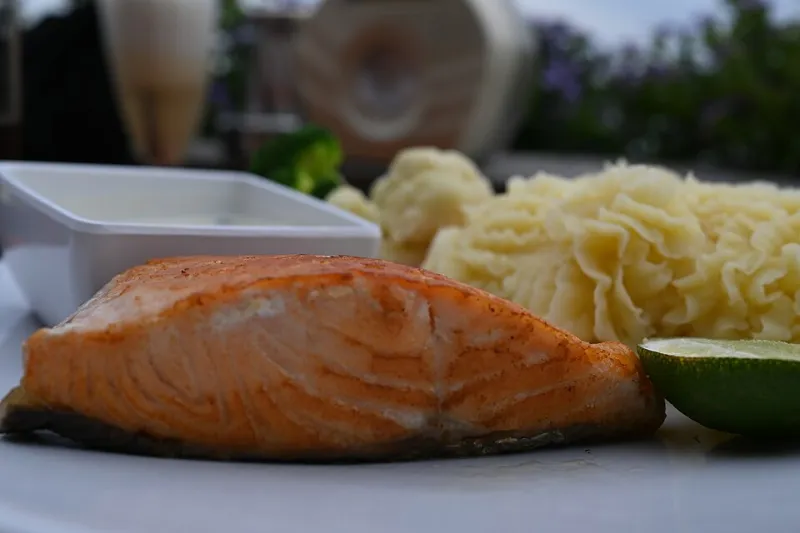
Photo: PattayaPatrol, CC BY-SA 4.0, via Wikimedia Commons
You've probably heard the word "umami" tossed around at a dinner party or spotted it on a restaurant menu next to something that costs $34. It sounds a little mysterious, maybe even a little pretentious. But here's the thing — umami isn't a gimmick. It's a genuine, scientifically recognized taste, and once you understand how it works in seafood cookery, your weeknight fish dinners are never going to be the same.
Let's break it down without the food-science lecture.
So What Actually Is Umami?
Umami is often described as "savory" or "meaty," but those words don't quite capture it. It's more like depth. It's the reason a bowl of miso soup feels satisfying in a way that plain broth doesn't. It's what makes a good clam chowder feel like a hug. Technically, umami is triggered by glutamates — naturally occurring amino acids — along with compounds called inosinate and guanylate. When these hit your taste receptors, your brain registers something rich, rounded, and deeply pleasurable.
Seafood is one of the most naturally umami-rich food groups on the planet. Anchovies, clams, shrimp, scallops, mackerel, and dried fish all pack serious glutamate levels. Even a simple piece of roasted salmon has more natural umami than most people realize. The problem isn't that the flavor isn't there — it's that most home cooks accidentally mute it or miss the opportunity to amplify it.
The Biggest Misconceptions, Cleared Up
First misconception: umami only comes from fermented or aged ingredients. Not true. Fresh fish has it. Shellfish broth has it. Even the liquid left in a can of tuna has it (and yes, you should be saving that).
Second misconception: umami makes food taste "fishy." This one is almost the opposite of the truth. When umami is balanced correctly, it actually rounds out sharp or off-putting flavors. Chefs who know how to work with umami use it to make fish taste cleaner and more complex — not more pungent.
Third misconception: you need expensive, specialty ingredients to add umami to a dish. Again, not the case. Worcestershire sauce, soy sauce, tomato paste, parmesan rind, and dried mushrooms are all affordable umami boosters sitting in most American grocery stores right now.
Where Seafood and Umami Really Get Interesting
Here's where things get fun. Seafood doesn't just contain umami — it synergizes with it. When you combine ingredients that are rich in glutamates with those high in inosinate (like fish or shellfish), the umami effect multiplies. This is called umami synergy, and it's why a simple kombu-and-bonito dashi broth tastes so much more complex than its two ingredients suggest.
Chef Mara Linfield, who runs a coastal American bistro in Beaufort, South Carolina, calls this "stacking the deck." She told us: "When I'm building a clam sauce, I'm not just thinking about the clams. I'm thinking about what I can layer underneath them — a little anchovy in the oil, a splash of fish sauce, maybe a parmesan rind simmered into the liquid. None of those things should be identifiable on their own. Together, they make the clams taste more like themselves, just turned up."
That's the key insight: good umami layering doesn't taste like any single ingredient. It just makes the whole dish taste more.
Practical Techniques for Home Cooks
Dry your fish before cooking. Moisture is umami's enemy at the stovetop. Patting fish completely dry before it hits a hot pan concentrates the surface flavor compounds and encourages the Maillard reaction — that golden-brown crust that's basically a flavor delivery system.
Don't rinse canned seafood down the drain. The liquid in canned clams, tuna, and sardines is loaded with glutamates. Add it to pasta water, stir it into a sauce, or use it as the base of a quick broth. It's free flavor.
Use a kombu shortcut. Dried kombu (a type of seaweed available at most Asian grocery stores and increasingly at Whole Foods and Trader Joe's) is one of the most concentrated natural sources of glutamates on earth. Drop a small piece into your fish stock or seafood chowder while it simmers, then remove it before serving. The difference is subtle but unmistakable.
Finish with something fermented. A tiny splash of fish sauce or a half-teaspoon of white miso stirred into a butter sauce right at the end adds a savory backbone without announcing itself. This is a trick that professional kitchens use constantly and home cooks almost never do.
Rest your shellfish in the cooking liquid. If you're making mussels or clams, don't drain them the second they open. Let them sit in the pot for a minute or two. The shellfish continue releasing flavor compounds into the broth, and the broth, in turn, continues flavoring the shellfish. It's a short window, but it matters.
A Simple Dish That Shows You Everything
If you want to see umami in action without a lot of effort, try this: sauté minced garlic and a mashed anchovy fillet in olive oil until the anchovy dissolves completely. Add a can of whole San Marzano tomatoes, crush them by hand, and let the sauce reduce for 15 minutes. Toss in seared shrimp or littleneck clams, finish with a splash of dry white wine and a handful of fresh parsley, and serve over linguine.
None of those ingredients are exotic. But the anchovy — which you will not taste as anchovy — does something almost alchemical to the tomato sauce. It makes the shrimp taste sweeter. It makes the whole dish taste like it took twice as long to make.
That's umami doing its job.
The Bigger Picture
Understanding umami changes the way you shop, too. It pushes you toward the kinds of ingredients that coastal cuisines have relied on for centuries — dried fish, fermented shellfish pastes, seaweed, long-simmered broths. These aren't trend ingredients. They're the foundation of some of the world's most beloved food cultures, from the Gulf Coast to the Pacific Northwest.
The coast has always known something that landlocked cooking sometimes forgets: the sea's flavor is deep, layered, and worth paying attention to. Umami is just the scientific name for what fishermen's families figured out a long time ago — that the ocean gives you everything you need to make something extraordinary, if you know how to listen to it.