Salt Is the Secret Your Seafood Has Been Waiting For
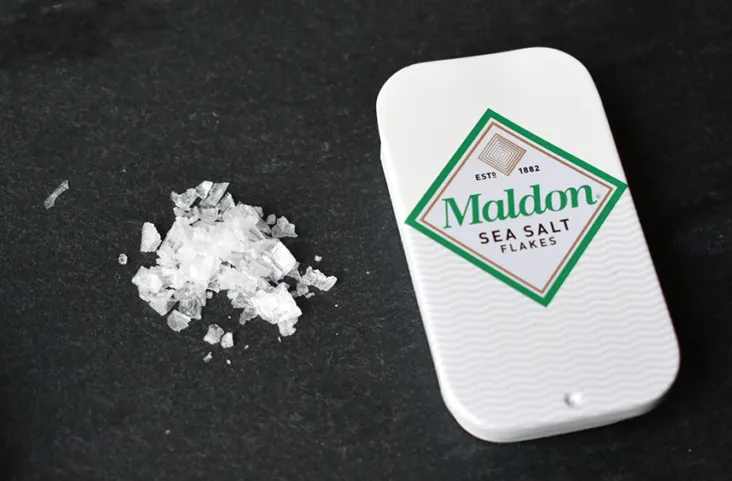
Photo: sousvideguy, CC BY 2.0, via Wikimedia Commons
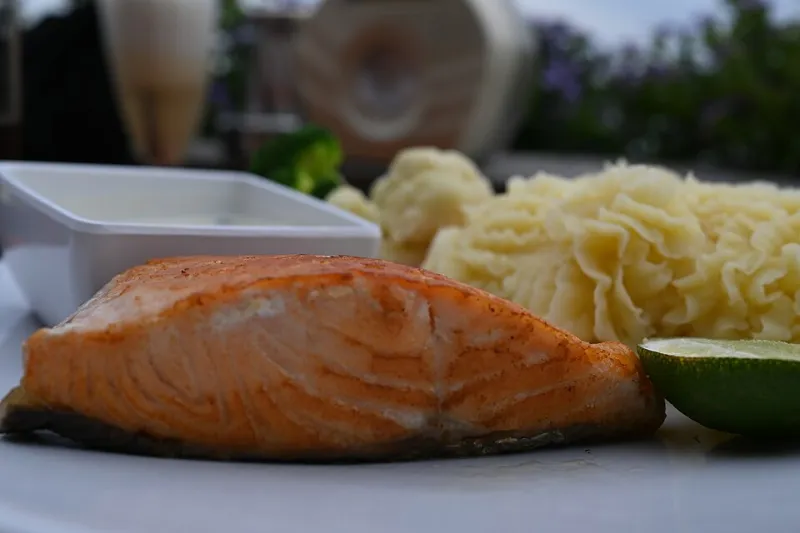
Let's say you made pan-seared salmon last Tuesday. You seasoned it. You used a hot pan. You didn't overcook it. It was fine — genuinely fine. But it wasn't that. It wasn't the salmon you had at that coastal bistro where the crust was almost lacquered and every bite tasted like the ocean had been concentrated into a single forkful.
Here's the uncomfortable truth: the gap between your salmon and the restaurant's salmon probably isn't about technique. It's about salt. Specifically, it's about how professional kitchens use salt on seafood in ways that most home cooks never learn, because recipes rarely explain the why behind the when.
Salt Is Not Just Seasoning
When you sprinkle salt on a piece of fish right before it hits the pan, you're doing something — but not nearly as much as you could be. Salt applied at that stage mostly seasons the surface. It doesn't have time to migrate into the flesh, it can't affect the protein structure, and it can't do the more interesting things salt is actually capable of doing.
At a molecular level, salt draws moisture out of protein cells through osmosis. That sounds like a bad thing — and if you stop the process too early, it is. But if you give it time, something useful happens: that moisture gets reabsorbed, carrying dissolved salt back into the flesh along with it. The result is fish that's seasoned from the inside, not just coated on the outside. The texture changes too, becoming slightly firmer and more cohesive — exactly what you want for a good sear.
This is why professional kitchens salt fish anywhere from 30 minutes to several hours before cooking. It's not a casual step. It's a deliberate one.
The Brine Question
For some species and preparations, a wet brine does even more. A simple saltwater solution — roughly one tablespoon of kosher salt per cup of water — can transform shrimp, scallops, and delicate white fish before grilling or roasting.
Brining accomplishes two things simultaneously. It seasons the interior of the fish more evenly than dry-salting alone, and it helps the protein retain moisture during cooking. That second part is significant. Seafood is notoriously unforgiving — a few degrees of overcooking and you've gone from silky to rubbery. A 20-minute brine won't fix bad technique, but it gives you a slightly wider margin for error, which is useful when you're managing a home stove that doesn't hold heat the way a commercial range does.
A word of caution: brine times matter. Delicate fish like sole or flounder need only 10–15 minutes. Thicker cuts of halibut or swordfish can handle 30–45 minutes. Leave anything in too long and the texture starts to go mushy as the proteins begin to break down. Set a timer.
Which Salt You're Using Matters More Than You Think
Not all salt is the same, and this is where a lot of home cooks quietly go wrong without realizing it.
Table salt and kosher salt have different crystal sizes, which means they measure differently by volume. A teaspoon of table salt is significantly saltier than a teaspoon of Diamond Crystal kosher salt. Most professional recipes — including the ones restaurant chefs develop — are written with kosher salt in mind. If you're using table salt and following those measurements, you may be over-salting without knowing it, which can make fish taste harsh rather than seasoned.
For finishing — the salt you add after cooking — the world opens up considerably. Flaky sea salts like Maldon or fleur de sel add a textural crunch and a clean, bright mineral note that table salt simply can't replicate. A few flakes scattered over seared scallops or a piece of grilled striped bass right before it hits the plate elevates the dish in a way that's immediately noticeable. This is a restaurant trick that costs almost nothing to replicate at home.
Timing Is Everything
Here's the practical breakdown that most recipes skip:
30–60 minutes before cooking: Apply a generous but not excessive amount of kosher salt to your fish and let it rest uncovered in the refrigerator. This is the sweet spot for most home preparations — long enough for the salt to do meaningful work, short enough that you can plan it into a weeknight dinner.
During cooking: Resist the urge to add more salt mid-cook. The salt you applied earlier is working. Adding more at this stage just piles on surface salt without adding depth.
After cooking: This is the moment for finishing salt. Flaky salt here is transformative. It also gives you a chance to correct if the dish needs a little more — but taste first.
What not to do: Salting fish and immediately throwing it in the pan. You get the worst of both worlds — moisture pulled to the surface that steams the fish instead of searing it, and seasoning that hasn't had time to penetrate.
The Acid Companion
Salt rarely works alone in a professional kitchen. It's almost always paired with acid — a squeeze of lemon, a splash of white wine, a light vinaigrette — and the combination is what creates that bright, complex flavor that makes restaurant seafood taste like more than the sum of its parts.
Acid doesn't season food the way salt does, but it amplifies the perception of saltiness and cuts through the richness of butter or oil. If your home-cooked fish tastes flat even when it's properly salted, try adding acid at the end. A few drops of good lemon juice over a finished piece of halibut can make it taste like you doubled the seasoning without adding a grain more salt.
Start Simple, Start Tonight
You don't need to overhaul your entire approach to home cooking to close the gap between your kitchen and your favorite seafood restaurant. Salt your fish earlier than you have been. Pick up a box of Maldon for finishing. Taste as you go, and add acid at the end.
The ocean already did most of the work when it made the fish. Salt — used thoughtfully — is how you honor that.