You're Pairing Your Wine with Seafood All Wrong — And That's Okay
Let's set the scene. You've got beautiful scallops in the pan, a good sear developing, maybe some brown butter on the way. You reach for the bottle you grabbed at the wine shop because the label had a sailboat on it and the guy said it was "great with fish." You pour a glass, take a sip, and something is... off. The wine tastes metallic. The scallops suddenly seem flatter. What happened?
You got caught in one of the oldest traps in coastal cooking: assuming that "white wine with seafood" is a complete enough instruction to actually follow. It is not. Not even close.
We talked to a handful of chefs and sommeliers who spend their professional lives at the intersection of the ocean and the wine list, and their collective message was consistent: the rules aren't wrong, exactly, but they're incomplete. And the gaps are where most home cooks fall into trouble.
The "Just Grab a White" Problem
The biggest pairing mistake isn't exotic or complicated. It's boring. It's grabbing the first white wine you see and assuming the job is done because it's technically white.
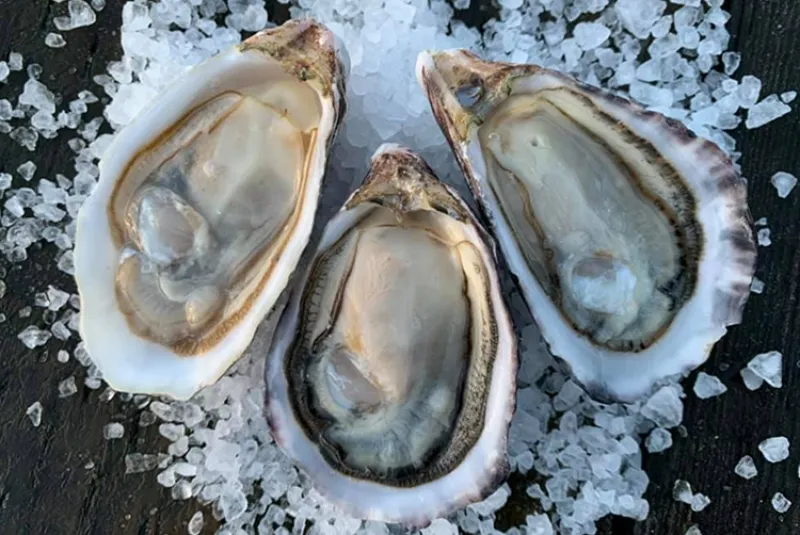
Not all white wines behave the same way with seafood. A heavily oaked Chardonnay — the kind that tastes like someone dissolved a vanilla bean in a glass of butter — can completely bulldoze a delicate piece of flounder or a plate of raw oysters. The wine wins. The fish loses. Everyone at the table is politely confused about why dinner feels like a chore.
"Oak is the enemy of subtlety," says one executive chef at a well-regarded New England seafood restaurant who asked to remain anonymous because, in her words, "I don't want to start a Chardonnay war." "When someone tells me they tried a wine pairing and it didn't work, nine times out of ten they were drinking something that had been in a barrel too long."
The fix is straightforward: lean toward unoaked or lightly oaked whites when you're working with anything mild. Muscadet, Albariño, Vermentino, Grüner Veltliner — these are your friends. They have enough acidity to brighten a dish without muscling it off the plate.
The Lemon Juice Trap
Here's one that surprises people: squeezing lemon over your fish before you pour the wine can actually set up a pairing to fail before it starts. Acid on top of acid creates a feedback loop that makes both the food and the wine taste sharper and thinner than they should.
This doesn't mean skip the lemon. It means be thoughtful about when you add it, and compensate by choosing a wine with a little more body and roundness to hold up against it. A Viognier or a white Rhône blend can handle the acidity without caving.
Sommeliers call this "acid stacking," and it's one of those things that sounds technical but is actually just common sense once you hear it. You wouldn't dress a salad with vinegar and then pour a wine that's all tartness. Same logic applies to your branzino.
When Red Wine Isn't Actually Wrong
Say this out loud at a dinner party and watch people flinch: sometimes red wine goes great with seafood. There. It's been said.
The caveat — and it's an important one — is that you have to choose carefully. Full-bodied, tannic reds are genuinely problematic with most fish. The tannins interact with the proteins in seafood in a way that produces a metallic, almost bitter aftertaste. It's not a myth. It's chemistry.
But lighter reds? Totally different story. A well-chilled Pinot Noir from Oregon or a Gamay from Beaujolais alongside grilled salmon or a hearty fish stew is not a mistake. It's a revelation. The key is low tannin and higher acidity — qualities that let the wine complement rather than clash.
"I've been serving a chilled Beaujolais with our smoked bluefish appetizer for three years," says a chef-owner of a coastal Virginia restaurant. "Every single time, someone at the table looks at me like I've lost my mind, and then they try it, and then they want to know why nobody told them sooner."
The broader point is that rigid rules can make you timid in ways that don't serve you at the table. Bluefish is oily, smoky, and assertive. It doesn't need a delicate white to hold its hand. It needs something with enough character to meet it in the middle.
Bubbles Are Underrated. Seriously.
If there's one pairing category that deserves more real estate in the home cook's rotation, it's sparkling wine. Not just Champagne — though yes, obviously, Champagne with oysters is a cliché because it's correct — but also Cava, Crémant, Prosecco, and American sparkling wines from California and the Pacific Northwest.
Bubbles do something specific and useful: they cut through fat and richness in a way that still wine often can't. Fried seafood, buttery lobster rolls, creamy chowder — sparkling wine handles all of it with more grace than most people expect.
"People save sparkling wine for celebrations," says one Boston-area sommelier. "But a Tuesday night with a good fried clam plate is worth celebrating. Pour the bubbles. You'll thank yourself."
The price point barrier is also more imaginary than real. You don't need to open a $60 bottle of grower Champagne with your fish tacos. A $15 Cava does the job beautifully.
Trust Your Palate (But Know Why It Went Wrong)
Here's the thing about pairing rules: they exist because they work most of the time. Acidity with fat. Delicacy with delicacy. Weight with weight. These are useful heuristics, and ignoring them entirely is how you end up drinking Cabernet Sauvignon with a plate of raw clams and wondering why your evening feels like a mistake.
But they're not commandments. They're starting points. The home cook who experiments — who tries that Oregon Pinot with the grilled salmon, who opens the Cava with the fried shrimp, who skips the oaky Chardonnay in favor of something bright and mineral — is going to learn more about wine and food in one season than someone who follows the chart on the back of a wine book for years.
The coastal table has always been a place of improvisation. Fishermen cook what they caught. Chefs build menus around what came off the boat that morning. There's an inherent flexibility in maritime cooking that the wine glass should reflect.
So go ahead and open the Albariño. Or the chilled Gamay. Or the Crémant you've been saving for something special.
This counts.