From the Deep: Why American Chefs Are Finally Taking Seaweed Seriously
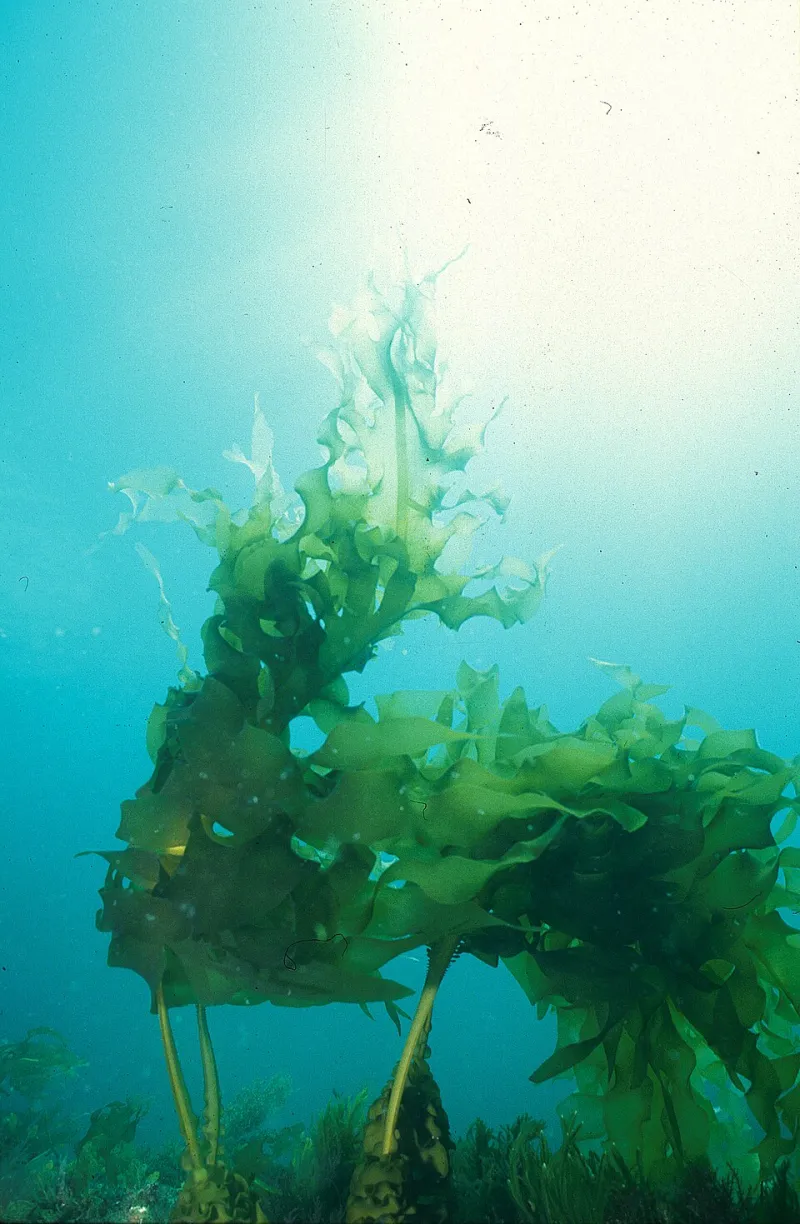
Photo: division, CSIRO, CC BY 3.0, via Wikimedia Commons
For a long time, most Americans only encountered seaweed in one of two ways: wrapped around a sushi roll at a strip-mall Japanese restaurant, or stuck to their ankles at the beach. Neither experience exactly screamed "culinary adventure." But something has shifted in coastal kitchens across the country, and the ingredient that once got pushed to the edges of the plate is now being built right into the center of it.
Wakame from Japan. Atlantic kelp harvested off the coasts of Maine and Alaska. Bull kelp from the Pacific Northwest. These aren't exotic novelties anymore — they're showing up in everything from restaurant tasting menus in Portland, Oregon to fishmonger counters in Charleston, South Carolina. And the chefs leading the charge aren't doing it just because it's trendy. They're doing it because seaweed, when you actually understand it, is one of the most flavorful and versatile ingredients the ocean has to offer.
What Japan Figured Out a Long Time Ago
Japanese cuisine has been built on seaweed for well over a thousand years. Kombu forms the backbone of dashi, the essential broth that underpins so much of Japanese cooking. Wakame shows up in miso soup and salads with a silky, almost buttery texture that surprises first-timers. Nori, of course, wraps your onigiri and your hand rolls. The point isn't just flavor — it's function. Seaweed in Japanese cooking acts as a flavor amplifier, a textural element, and a nutritional powerhouse all at once.
American chefs who've spent time in Japan, or who've simply cooked seriously with Japanese ingredients, have been trying to translate those lessons to local waters. The interesting discovery? Atlantic and Pacific kelp species carry many of the same glutamate-rich properties that make Japanese seaweeds so effective. The umami is right there. It just took a while for American kitchens to know how to pull it out.
Kelp Farming and the Sustainability Story
Here's where things get genuinely exciting beyond just flavor. Kelp doesn't need fresh water, fertilizer, or feed to grow. It absorbs excess nitrogen and carbon dioxide from the water as it grows, which makes it one of the most environmentally beneficial crops you can farm in coastal waters. Organizations like the Atlantic Sea Farms cooperative in Maine have built entire supply chains around connecting kelp farmers with restaurants and retailers, and the model is spreading.
For coastal communities that have watched traditional fishing industries shrink over decades, kelp aquaculture offers a real economic alternative. Lobstermen in Maine are diversifying into kelp. Small boat operators in the Pacific Northwest are finding that a kelp line running alongside their existing gear adds meaningful revenue. The sustainability story isn't just good PR — it's genuinely changing the economics of working waterfronts in ways that matter.
For chefs who care about where their ingredients come from (and increasingly, that's most of them), sourcing domestically farmed kelp is an easy call. You're supporting local producers, you're getting a fresher product, and you're serving something with a genuinely clean environmental footprint. That's a rare combination.
How It's Actually Showing Up on Menus
So what does "taking seaweed seriously" actually look like on a plate? It varies a lot, which is part of what makes this moment interesting.
In New England, chefs are working kelp into chowder bases, using it the way Japanese cooks use kombu — as a slow-simmered foundation that adds depth without announcing itself. The result is a chowder that tastes more intensely of the ocean without being fishier. It's subtle, but once you notice it, you can't go back to the old version.
On the West Coast, you're seeing kelp show up in more assertive applications. Crispy kelp chips have become a bar snack staple at a handful of Seattle and Portland restaurants, served with dipping sauces that range from citrusy ponzu to smoky aioli. The texture — crunchy, slightly briny, with a satisfying savory finish — hits a lot of the same notes as a good potato chip, except it came out of the ocean an hour's drive away.
Some chefs are pushing further. Kelp butter, made by blending rehydrated seaweed into softened butter with a little lemon and sea salt, is showing up as a table bread accompaniment at coastal fine dining spots from the Outer Banks to Marin County. Wakame is getting folded into grain bowls, tossed with roasted vegetables, and even appearing in vinaigrettes. And yes — a few adventurous pastry chefs have started working dried seaweed into chocolate desserts, playing off the way the mineral, slightly salty quality of kelp amplifies dark chocolate's bitterness in the same way a pinch of fleur de sel does.
The Diner Side of the Equation
None of this works if diners aren't willing to go along for the ride, and the good news is that American palates have genuinely evolved. A generation raised on sushi, ramen, and Korean barbecue has already been introduced to fermented, umami-forward, and ocean-forward flavors in ways that would've seemed niche twenty years ago. Seaweed isn't a hard sell to someone who eats miso soup regularly and considers nori a perfectly normal snack.
The challenge is more about context and presentation than it is about taste. When a server describes a dish as containing "Atlantic kelp," some diners still picture the tangled brown stuff washing up on the beach. When the same server says "we're using locally farmed sea greens to build the broth," the reaction shifts. Language matters. Framing matters. The chefs who are succeeding with seaweed on American menus have figured out how to make it feel approachable without dumbing it down.
Worth Paying Attention To
Seaweed isn't going to replace salmon on American menus anytime soon, and nobody serious is suggesting it should. But as a supporting ingredient — as a flavor builder, a textural element, a sustainable local product with deep culinary roots in maritime cultures around the world — it's earning a permanent spot in the coastal kitchen conversation.
The Japanese culinary tradition figured this out long ago. American coastal cooking is finally catching up, and the results are worth tasting.